In our fast-paced world, finding moments of stillness can feel impossible. Yet research shows that just 10 minutes of daily meditation can significantly reduce stress, improve focus, and enhance overall well-being. The challenge isn't finding time—it's knowing where to start.
This comprehensive guide will walk you through everything you need to establish a sustainable meditation practice, even if you've tried and "failed" before. Spoiler alert: there's no such thing as failing at meditation.
Why Meditate?
Before diving into the how, let's explore the why. Meditation isn't just a trendy wellness practice—it's a scientifically-backed tool with measurable benefits:
- Reduces stress and anxiety: Regular meditation lowers cortisol levels and activates the relaxation response
- Improves focus and concentration: Studies show enhanced attention span and cognitive function
- Enhances emotional health: Meditation increases self-awareness and reduces symptoms of depression
- Promotes better sleep: Evening meditation helps calm the mind before bed
- Lowers blood pressure: Relaxation techniques have cardiovascular benefits
- Increases self-compassion: Mindfulness practices foster kindness toward yourself
Common Meditation Myths Debunked
Myth #1: "I can't meditate because I can't stop thinking."
Reality: The goal isn't to stop thoughts—it's to observe them without attachment. Thoughts will come; that's normal and expected.
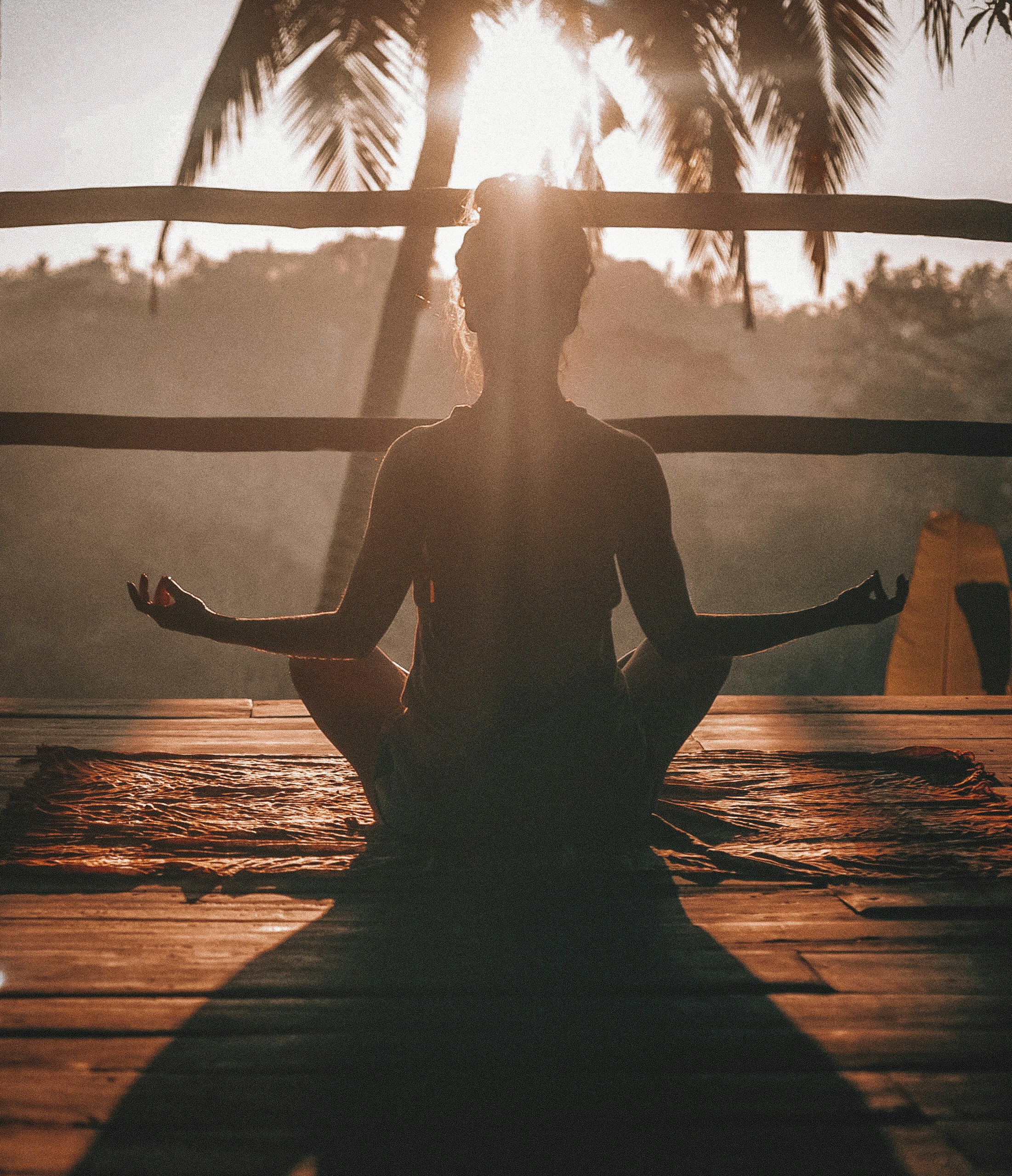
Myth #2: "I need to sit in lotus position."
Reality: Comfort is key. Sit on a chair, cushion, or even lie down. Physical discomfort will distract from your practice.
Myth #3: "Meditation is religious."
Reality: While meditation has roots in various traditions, modern mindfulness meditation is secular and scientifically-backed.
5 Simple Meditation Techniques for Beginners
1. Breath Awareness Meditation
Best for: Complete beginners, stress relief
How to practice:
- Sit comfortably with your spine straight
- Close your eyes or soften your gaze
- Bring attention to your natural breath
- Notice the sensation of air entering and leaving your nostrils
- When your mind wanders (it will), gently guide it back to the breath
Duration: Start with 5 minutes, gradually increase to 20 minutes
2. Body Scan Meditation
Best for: Releasing physical tension, before sleep
How to practice:
- Lie down or sit comfortably
- Starting at your toes, bring awareness to each part of your body
- Notice any sensations—tension, warmth, tingling—without judgment
- Progressively move up: feet, legs, torso, arms, neck, head
- Release tension with each exhale
Duration: 10-20 minutes
3. Loving-Kindness Meditation (Metta)
Best for: Building compassion, emotional healing
How to practice:
- Sit comfortably and take a few deep breaths
- Silently repeat phrases like: "May I be happy. May I be healthy. May I be safe."
- Then extend these wishes to loved ones, neutral people, difficult people, and all beings
- Feel the emotions that arise with each phrase
Duration: 10-15 minutes
4. Mantra Meditation
Best for: Busy minds, establishing routine
How to practice:
- Choose a word or phrase (e.g., "peace," "om," "I am calm")
- Sit comfortably and close your eyes
- Silently or audibly repeat your mantra
- If your mind wanders, gently return to the mantra
- Let the sound anchor your attention
Duration: 10-20 minutes
5. Walking Meditation
Best for: Restless energy, connecting with nature
How to practice:
- Find a quiet path or space to walk slowly
- Notice the sensation of each foot lifting, moving, and placing
- Coordinate breath with steps if helpful
- Engage all senses—sights, sounds, smells, sensations
- Walk with intention and presence
Duration: 10-30 minutes
Building Your Daily Practice
The secret to a sustainable meditation practice isn't perfection—it's consistency. Here's how to make it stick:
Start Small
Begin with just 5 minutes daily. It's better to meditate for 5 minutes every day than 30 minutes once a week. As the habit solidifies, gradually increase duration.
Choose a Consistent Time
Meditation works best when it becomes automatic. Popular times include:
- Morning: Set a positive tone for the day, before distractions arise
- Lunch break: Reset and recharge mid-day
- Evening: Process the day and prepare for restful sleep
⚡ Pro Tip: Stack your meditation habit onto an existing routine. For example: "After I pour my morning coffee, I will meditate for 5 minutes."
Create a Dedicated Space
You don't need an elaborate meditation room, but having a consistent spot signals to your brain that it's time to practice. Add elements that support your practice: a cushion, candle, or plant.
Use Technology Wisely
Apps like Headspace, Calm, and Insight Timer offer guided meditations for beginners. However, don't become dependent—the goal is to develop your own practice.
Overcoming Common Challenges
"My mind won't stop racing."
This is completely normal! The mind's job is to think. Instead of fighting thoughts, practice observing them like clouds passing in the sky. Each time you notice you're thinking and return to your anchor (breath, mantra, etc.), you're successfully meditating.
"I keep falling asleep."
If you're consistently falling asleep, you might be sleep-deprived (address that!) or meditating lying down. Try sitting upright or meditating at a different time of day.
"I don't feel any different."
Benefits accumulate subtly over time. Keep a journal to track changes in stress levels, sleep quality, or emotional reactions. Many practitioners notice benefits after 3-4 weeks of consistent practice.
"I missed several days."
Don't let perfectionism derail your practice. Missing days is part of the journey. Simply begin again today, without judgment.
Beyond the Cushion
Formal meditation practice is just the beginning. The real transformation happens when you bring mindfulness into daily activities:
- Mindful eating: Savor each bite without distractions
- Mindful listening: Give full attention in conversations
- Mindful transitions: Take three conscious breaths between activities
- Mindful observation: Pause to notice beauty around you
Remember, meditation isn't about achieving a particular state or becoming a "better" person. It's about befriending yourself exactly as you are, in this moment. That friendship is the foundation of lasting peace.